Ears rarely get much attention, until they become the feature someone feels everyone else is looking at. A child teased at school, a teenager who will only wear their hair long, an adult who avoids tying their hair back or posing for photos: behind each of these situations there is often the same concern. Prominent ear surgery was created precisely to answer it, bringing the ears closer to the head and into a more natural relationship with the rest of the face.
At the clinic of Dr. Babak Hatami, patients who ask about a personalised Otoplasty in Dubai usually arrive with two simple questions: what can this surgery actually correct, and what will happen on the day? This article answers both. We will look at what prominent ear surgery is for, who it can help, how each step is carried out, what recovery involves and which results are realistic, so you can approach the decision with clarity and calm.
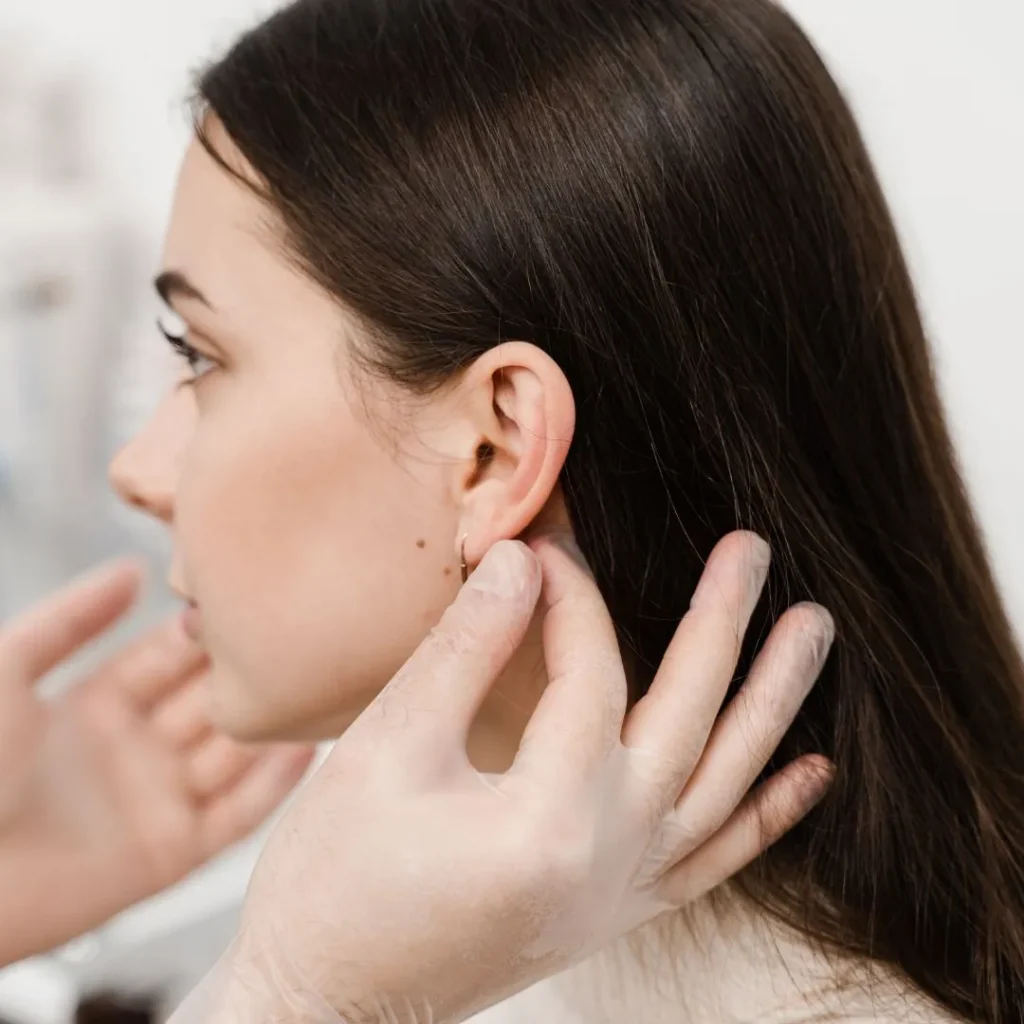
What Are Prominent Ears and Why Do They Happen?
Prominent ears, sometimes called protruding or “bat” ears, are ears that stand out from the side of the head more than usual. In most people, the outer ear sits at a gentle angle to the head. When that angle is wider, or when the ear itself is shaped in a particular way, the ears look more visible from the front than the rest of the face would suggest.
To understand why this happens, it helps to know a little about ear anatomy. The visible part of the ear, called the auricle or pinna, is made of a thin, flexible framework of cartilage covered by skin. This cartilage has several natural folds. One of the most important is the antihelical fold, the curved ridge that runs inside the outer rim of the ear. When this fold is underdeveloped or missing, the upper part of the ear tends to open outwards like a page that has not been folded.
The second common cause is the concha, the deep “bowl” of the ear closest to the ear canal. If this bowl is particularly deep, it pushes the whole ear away from the head, a bit like a cup placed under a sheet of paper lifting it upwards.
In practice, prominent ears are usually caused by one or more of these factors:
- an underdeveloped antihelical fold
- an excessively deep concha
- a combination of both, sometimes with a prominent earlobe
- differences between the two ears, which may not be perfectly symmetrical
This shape is mostly inherited and present from birth. It is not caused by sleeping position, hats or anything parents did wrong, and it does not affect hearing. It is simply a variation in the shape of the cartilage.
Understanding this is reassuring, because it explains why prominent ear surgery works on the cartilage itself. The goal is not to make the ears smaller or different, but to recreate the natural folds and angles that are missing. Once you see the ear as a structure that can be gently reshaped, the logic of the procedure becomes much clearer.
What Is Prominent Ear Surgery For?
Prominent ear surgery, known in medical terms as otoplasty or pinnaplasty, is designed to reshape and reposition the outer ear so that it sits closer to the head and looks proportionate to the face. It does not change the inner ear or the ability to hear, and it does not alter the size of the ear dramatically. Its purpose is harmony.
The procedure can address several specific concerns:
- ears that stick out too far from the head
- an upper ear that lacks its natural fold
- a deep concha that pushes the ear outwards
- prominent or large earlobes
- noticeable asymmetry between the two ears
The aesthetic change is often only a matter of millimetres, but the emotional impact can be far greater. Many adults remember comments from childhood that still influence how they choose hairstyles, glasses or even jobs. Children may become withdrawn at school or refuse to take part in swimming and sports where the ears are exposed. For these patients, prominent ear surgery is not about vanity. It is about feeling comfortable in everyday situations.
A useful way to imagine the effect is to think of a picture slightly tilted on a wall. The picture itself is fine, but the angle draws attention to it. Once it is straightened, the eye moves naturally across the whole room. The same happens with ears: when they sit at a natural angle, people look at the face and the expression, not at the ears.
It is also important to be clear about what this surgery is not for. Prominent ear surgery is a procedure on the cartilage and skin of the outer ear. Problems involving hearing, the eardrum or the middle ear belong to a completely different field. For example, a perforated eardrum or damage to the tiny bones of the middle ear may be treated with tympanoplasty, an operation performed by ear, nose and throat surgeons to repair the eardrum and, when needed, reconstruct the chain of small bones that carries sound. Its aim is to close the perforation, reduce recurrent infections and improve hearing, often using a small graft of the patient’s own tissue. Knowing the difference helps patients understand that changing the shape of the outer ear and treating hearing problems are two separate paths, each requiring the right expert.
What Makes Someone a Good Candidate for Prominent Ear Surgery?
One of the most common questions is about age. Because the ear grows very quickly in early childhood, it reaches most of its adult size by around five or six years of age. For this reason, prominent ear surgery can be considered from this age onwards, and many families choose to treat children before or during the first years of school, when teasing often begins.
In newborns, there is a different and non-surgical option. During the first weeks of life, the ear cartilage is still very soft because of the mother’s hormones, and dedicated moulding devices applied by a doctor can sometimes reshape the ear. This window closes quickly, however, and after early infancy the cartilage becomes too firm for moulding to be effective.
Adults are excellent candidates too. There is no upper age limit, and many patients decide to correct their ears in their twenties, thirties or even later. The cartilage is firmer in adults, but the procedure can be adapted to it with appropriate techniques.
In general, good candidates for prominent ear surgery:
- are at least five or six years old, with ears close to their adult size
- are in good general health, with no active ear infections
- do not smoke, or are willing to stop for the period recommended
- have realistic expectations about the result
- for children, are able to follow simple instructions during recovery
With children, motivation deserves special attention. The most satisfying results, both physical and emotional, come when the child is bothered by their ears and wants the change, rather than when the decision comes only from the adults. A good consultation involves both parents and child, explaining things in simple words and making sure everyone feels comfortable.
Patient selection is also a matter of ethics. Sometimes the ears are within a normal range and the concern is minimal, or other factors suggest that waiting would be wiser. In these cases, an honest recommendation not to operate is part of responsible care. Prominent ear surgery should always be a considered choice, made with clear information and without pressure.
What Happens During the Consultation?
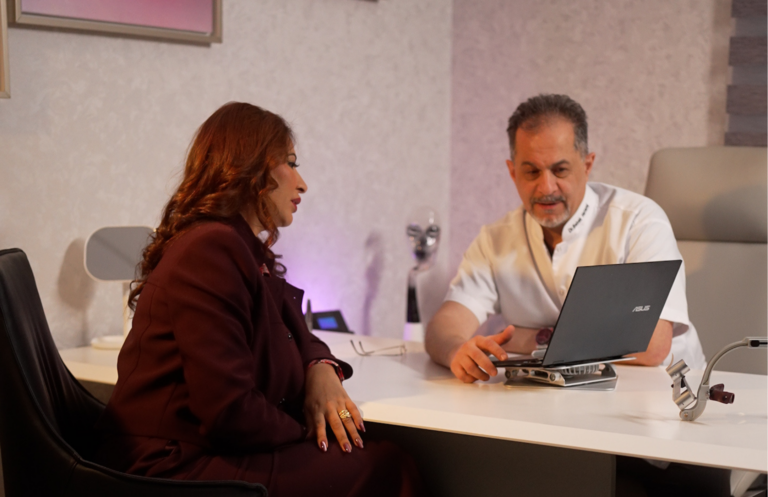
Everything starts with a detailed consultation, which is the foundation of a safe and personalised plan. This first meeting is not a formality: it is where the surgeon understands what bothers you and decides which technique will best address it.
The surgeon begins by listening. What exactly do you dislike about your ears? Is it how they look from the front, from the side, or in photos with your hair tied back? Is one ear more prominent than the other? These details guide every subsequent decision.
Then comes the examination. The surgeon looks carefully at:
- the angle between each ear and the head
- the presence or absence of the antihelical fold
- the depth of the concha
- the shape and size of the earlobes
- the symmetry between left and right
- the thickness and flexibility of the cartilage
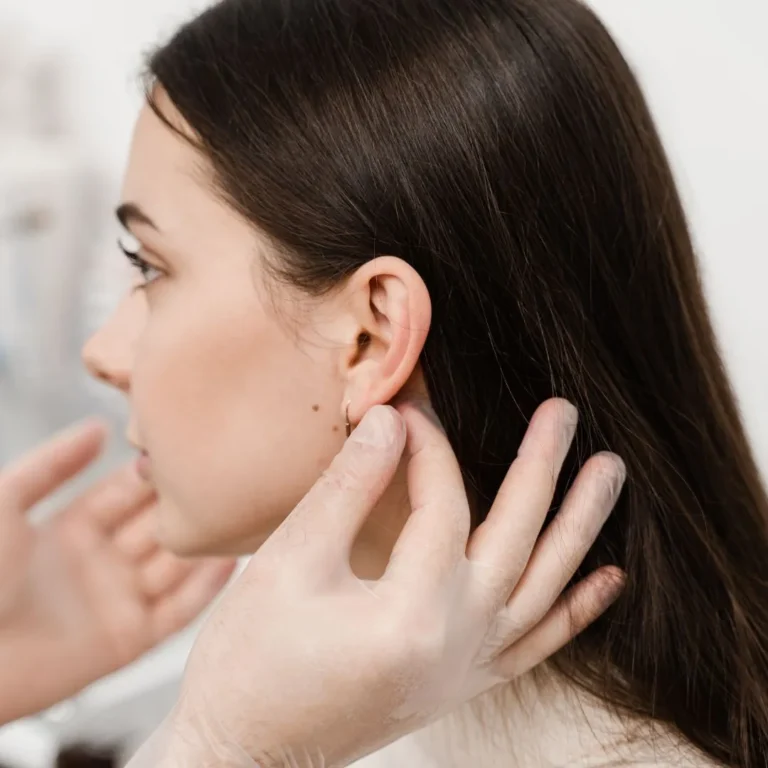
A useful test is gently folding the ear with a finger to simulate the missing fold. This simple gesture helps both patient and surgeon visualise how the ear could look after prominent ear surgery, and it gives an early idea of how much correction is needed.
Your medical history is also reviewed carefully, including previous surgeries, bleeding tendencies, medications, allergies and any history of ear infections. Photographs are taken from several angles to document the starting point and to support planning.
At this point, the surgeon explains the recommended approach in clear language, describing what will be done, the type of anaesthesia, how long the procedure usually takes and what recovery will look like. This is the moment to ask every question, including those that may seem small. Patients who understand each step tend to feel calmer before surgery and recover with more confidence.
The consultation also includes practical preparation: instructions on medications to avoid, the importance of not smoking, how to wash your hair before the procedure and what to bring on the day. For children, parents receive guidance on how to prepare them emotionally, for example by explaining that they will wear a soft headband for a while, like a sports band, and that this is a normal part of healing.
What Are the Steps of Prominent Ear Surgery?
Knowing exactly what happens on the day of surgery helps many patients feel much more relaxed. Prominent ear surgery is usually performed as a day procedure, and it follows a clear sequence of steps.
Step one: anaesthesia. Adults and older teenagers are often treated under local anaesthesia, sometimes with mild sedation, so they remain comfortable and relaxed. Younger children generally receive general anaesthesia, which allows them to sleep through the procedure safely.
Step two: the incision. In most cases, the surgeon makes an incision in the natural crease behind the ear, where the ear meets the head. This position is chosen because the scar is hidden from view once healed. Through this incision, the surgeon can access the cartilage without leaving marks on the front of the ear.
Step three: reshaping the cartilage. This is the heart of prominent ear surgery. Depending on the cause of the prominence, the surgeon may:
- create or strengthen the antihelical fold using fine permanent stitches that bend the cartilage into a natural curve
- reduce the depth of the concha or set it closer to the head with stitches
- reshape the cartilage with delicate scoring techniques when it is particularly firm
- adjust the earlobe if it is also prominent
The aim is always a natural shape, with soft curves and an ear that still looks like an ear, not one that is pinned flat against the head.
Step four: checking symmetry. Both ears are compared repeatedly during the procedure. Perfect symmetry does not exist in nature, but the surgeon works to make the two ears as balanced as possible when viewed from the front.
Step five: closing the incision. The skin behind the ear is closed with fine stitches. Sometimes a small amount of skin is removed to help the ear sit in its new position.
Step six: the dressing. A soft, padded dressing is applied around the head to protect the ears and keep them in place during the first days of healing.
The entire procedure usually takes around one to two hours, depending on the technique and whether one or both ears are treated. Some patients also ask about “incisionless” methods based only on stitches placed through the skin. These may be suitable in selected cases, and the surgeon will explain whether they are appropriate for your ears during the consultation.
What Is Recovery Like After Prominent Ear Surgery?
Recovery after prominent ear surgery is generally smooth, and most patients are surprised by how quickly they return to normal life. Knowing what to expect at each stage makes the process easier to manage.
In the first days, the head dressing remains in place to protect the ears and reduce swelling. It is normal to feel some tightness, throbbing or mild discomfort, which is usually well controlled with prescribed pain relief. The ears may feel warm and slightly numb. Sleeping with the head a little raised helps reduce swelling.
After a few days, the surgeon removes the bulky dressing and checks the ears. At this point, the ears often look swollen and slightly bruised, which is completely expected. They will gradually settle over the following weeks.
From this moment, a soft elastic headband replaces the dressing. It is usually worn day and night for a period, then only at night for several weeks. The headband protects the ears from being accidentally bent forward, especially during sleep, when we tend to rub our head against the pillow.
Some practical guidelines during recovery include:
- avoid sleeping on your side until the surgeon allows it
- keep the incisions clean and dry as instructed
- avoid pulling clothes over your head; button-up shirts are easier
- do not wear glasses resting heavily on the ears until advised
- avoid swimming and contact sports for the recommended period
- protect the ears from strong sun and extreme heat, particularly in Dubai’s climate
After prominent ear surgery, most adults return to desk work within about a week, and children usually go back to school after a similar period, with the headband discreetly in place. Contact sports and activities that could hit the ears should wait several weeks.
Numbness or tingling in the ears is common and gradually improves. The scar behind the ear may be pink at first, then softens and fades over months.
Follow-up visits allow the surgeon to monitor healing and answer any questions. Prominent ear surgery recovery is a gradual process, and patience in the first weeks helps the cartilage settle into its new, stable shape.
What Results Can You Expect and What Should You Avoid?
The result of prominent ear surgery is visible as soon as the dressing is removed, although swelling may hide the final shape for a few weeks. Once healing is complete, the ears sit closer to the head, the natural folds are restored and the face appears more balanced.
Patients often describe the change as freeing. Adults finally tie their hair back without thinking about it. Children go swimming or play sports with their friends without feeling self-conscious. The face looks the same, but the attention shifts naturally towards the eyes and the smile.
Results are generally long-lasting, because the cartilage is reshaped and held by permanent stitches while the tissues heal. In a small number of cases, a degree of the original shape may return over time, especially if the ears are injured during early healing. This is one reason why protecting the ears and following instructions matters so much.
Like any surgical procedure, prominent ear surgery carries some risks, including bleeding, infection, temporary numbness, slight asymmetry or a visible scar. These risks are reduced by careful planning, a sterile environment and an experienced surgeon, and they are always discussed openly during the consultation.
Online, many people look for shortcuts to change the shape of their ears without surgery. Some are simply ineffective, while others can cause problems:
- adhesive tapes and “ear correctors” sold online cannot permanently reshape mature cartilage and can irritate or damage the skin
- headbands or caps worn for long periods do not change the structure of the ear
- home methods of folding or binding the ears, especially in children, can cause pressure sores and discomfort
- procedures carried out without proper medical evaluation may lead to unnatural shapes or complications that are hard to correct
The only stage in which non-surgical moulding can work is in the first weeks of life, and even then it must be guided by a doctor. After that, safe and lasting correction requires a professional assessment and, when appropriate, prominent ear surgery performed in a proper medical setting.
What Determines the Cost of Prominent Ear Surgery?
Many patients and parents want to know about cost before deciding. The honest answer is that the cost of prominent ear surgery depends on many factors and can vary from patient to patient, based on each individual situation. For this reason, it is not possible to give a single figure that applies to everyone.
The main elements that influence the overall investment include:
- whether one or both ears need correction
- the technique required, as a simple fold creation differs from a combination of fold, concha and earlobe correction
- the type of anaesthesia, local with sedation or general
- the facility where the procedure takes place and the medical team involved
- dressings, headbands and medication needed during recovery
- the number of follow-up visits required to monitor healing
The age of the patient can also play a role, as procedures on children under general anaesthesia involve a different organisation compared with adults treated under local anaesthesia. The condition of the cartilage matters too: very firm cartilage, more common in adults, may require additional reshaping techniques, while a previous operation on the ears can make prominent ear surgery more complex and therefore require more planning and time.
Rather than focusing only on the figure, it is wise to consider what is included and what is at stake. A procedure planned without proper evaluation can lead to complications or unsatisfying results that require further treatment. A plan built on a careful consultation, a qualified surgeon and attentive follow-up is a more responsible investment in your wellbeing, or in your child’s.
During the consultation, after examining the ears and discussing your goals, the surgeon can explain which approach is most suitable and provide a clear, personalised estimate. This allows you to make your decision with complete information, knowing exactly what prominent ear surgery involves for you and what kind of recovery to plan for.
Prominent Ear Surgery: Final Thoughts
Prominent ears are a common variation in the shape of the cartilage, often inherited and present from childhood. Although they do not affect hearing, they can influence confidence and everyday choices for many years. Prominent ear surgery is a way to restore natural folds and angles, bringing the ears closer to the head while keeping a soft, natural appearance.
In this article we have seen what prominent ears are and why they happen, what prominent ear surgery is for, who can benefit, what happens during the consultation, how the procedure is carried out step by step, what recovery involves and which results are realistic. We have also seen why tapes, devices and home remedies cannot replace a professional evaluation, and which factors influence the overall investment.
If you would like to understand whether this procedure is right for you or your child, and what each step would look like in your specific case, you can explore the topic in a calm, detailed consultation with Dr. Babak Hatami in Dubai, where every question receives a clear answer and every plan is built around the person.