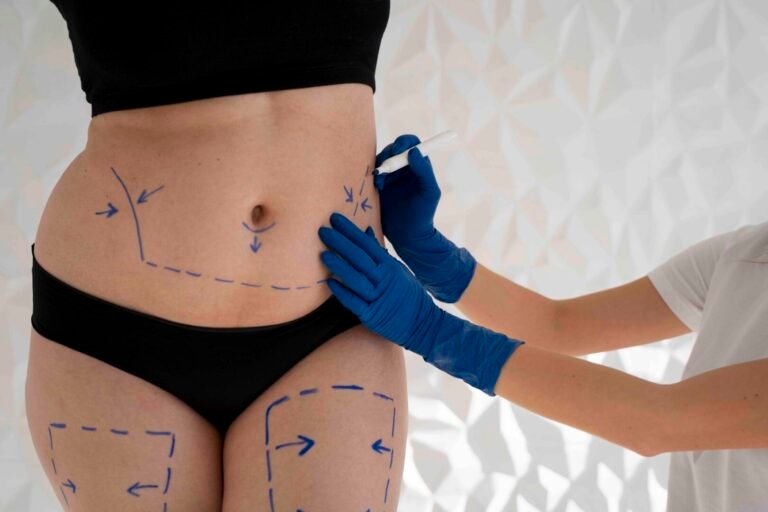
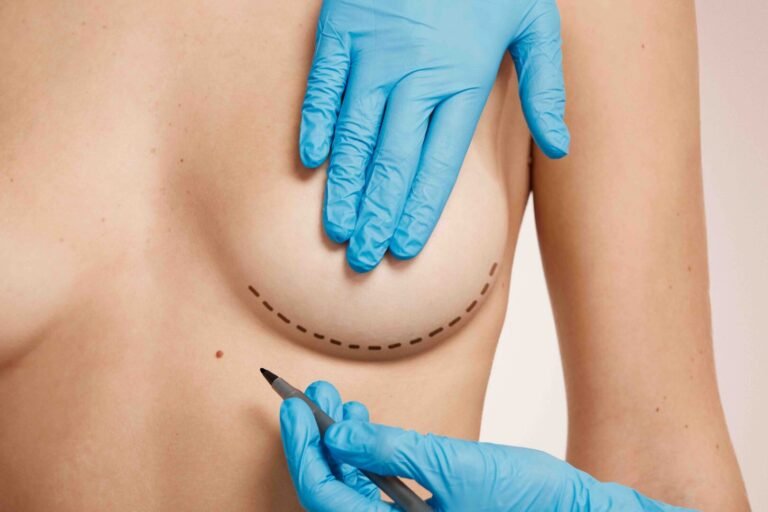
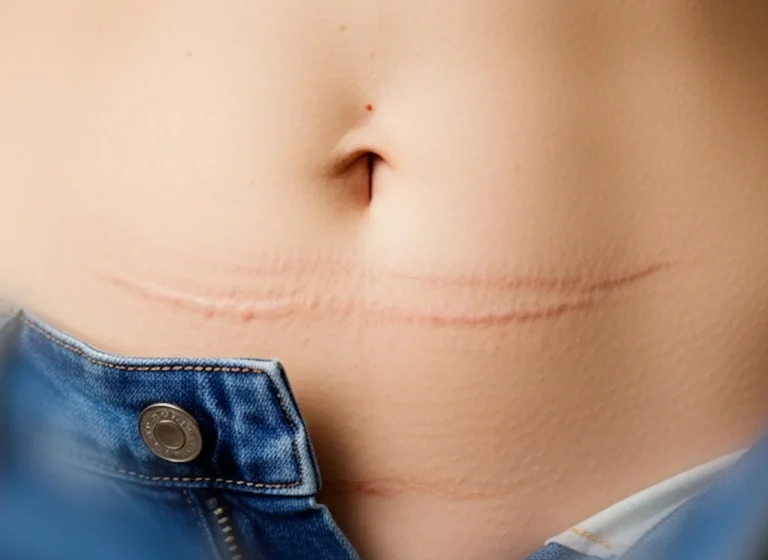
When undergoing aesthetic surgery, one of the main concerns is post-operative discomfort. In particular, the topic of pain after breast surgery is among the most searched by patients considering this procedure. At the clinic of Dr Babak Hatami in Dubai, where breast augmentation in Dubai is performed with a clear and empathetic approach, helping each patient understand what is normal and what may require attention.
The fear of pain is completely natural. However, it is important to know that every surgical procedure involves a recovery phase, during which the body adapts to changes. Knowing in advance what to expect allows patients to face the process with greater confidence and awareness.
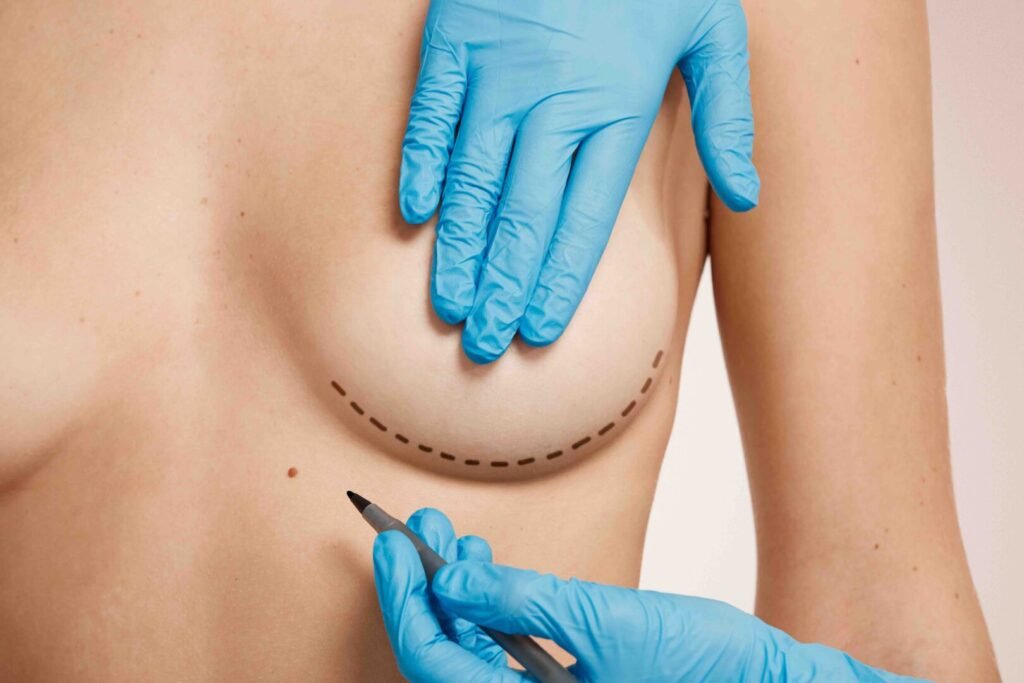
What is meant by pain after breast surgery?
Pain after breast surgery is a physiological response of the body to the procedure. It is not necessarily a negative signal, but rather a natural part of the healing process.
During surgery, tissues are modified, and this triggers an inflammatory response. Pain may be perceived as tightness, pressure, or discomfort in the treated area. Each patient experiences this differently, depending on their individual sensitivity.
In most cases, the discomfort is more intense in the first few days and gradually decreases over time. It is generally manageable when following medical guidance. Understanding this helps patients recognize that pain is part of recovery and not something abnormal.
Why is pain experienced after breast surgery?
Post-operative pain is linked to several factors and is not caused by a single element. One of the main causes is tissue inflammation, as the body activates natural repair mechanisms.
Another factor is muscle tension, especially in procedures involving deeper structures. This may feel like stiffness or pressure. Swelling also contributes to discomfort, as fluid accumulation can increase tension in the area.
It is important to understand that pain is a normal response of the body, and it does not automatically indicate a problem. In most cases, it improves progressively, allowing patients to experience a gradual and controlled recovery.
How long does pain last after breast surgery?
One of the most common questions concerns the duration of pain. There is no single answer, as it depends on several individual factors.
Generally, discomfort is more noticeable in the first days after surgery, when the body is reacting more intensely. As time passes, the sensation gradually decreases. Many patients report a significant improvement after the first week.
Although acute pain fades, mild sensations such as tightness or sensitivity may persist for a longer period. The duration depends on the type of procedure, the body’s response, and how well post-operative instructions are followed. Respecting these guidelines helps ensure a smoother and more predictable recovery process.
Can pain after breast surgery be reduced?
Post-operative pain can be managed effectively by following a few essential guidelines. The most important aspect is adhering to medical instructions, including any prescribed therapies and recommended recovery timelines.
Rest plays a crucial role, as avoiding unnecessary movements reduces stress on the tissues. Maintaining a correct posture and wearing appropriate post-operative garments can also help improve comfort.
It is essential to avoid self-managed solutions that are not medically approved. A guided and structured approach ensures that recovery is handled in a safe and controlled way, minimizing discomfort and supporting healing.
When is pain normal and when could it indicate a problem?
Distinguishing between normal pain and warning signs is fundamental. Not all discomfort indicates a complication, but it is important to recognize when to seek medical advice.
Normal pain tends to decrease over time, remain manageable, and not worsen suddenly. On the other hand, it is important to contact the doctor if there is a sudden increase in pain, persistent discomfort without improvement, or unusual associated symptoms.
These signals should not be ignored. Early evaluation allows for proper assessment and intervention if needed. Maintaining open communication with the doctor is always the safest and most responsible choice.
How to prepare mentally for pain after breast surgery?
The psychological aspect is often underestimated, yet it plays a significant role. Knowing what to expect helps reduce anxiety and allows patients to approach the process with more balance.
Many patients fear pain more than it actually occurs. Proper information helps to put these concerns into perspective. Preparing mentally means having realistic expectations, understanding the phases of recovery, and accepting the body’s natural timing.
Pain is part of the process, but it is temporary. As the days pass, the body adapts and discomfort decreases. A conscious approach helps patients experience recovery in a more positive and controlled way.
Pain after breast surgery: what to know to face it with confidence
The topic of pain after breast surgery is central for anyone considering this procedure. Understanding what is normal and what is not allows patients to approach the journey with greater confidence.
Pain is a natural response of the body and is expected to decrease over time. Following medical advice and maintaining a mindful attitude are essential for proper recovery.
At the clinic of Dr Babak Hatami in Dubai, each patient is guided through this process with a personalized and attentive approach, ensuring that every phase is experienced with clarity, reassurance, and a focus on achieving a stable and satisfying outcome.
📞 +971567663883
💬 +971567663883
✉️ dr.babak.hatami@gmail.com
📍 Olivia Medical Center, Villa-1114 Al Wasl Rd, Umm Suqeim 2, Dubai, United Arab Emirates