Many people come to a consultation with the same quiet question: what actually happens to my skin when an acid is applied to it? The word “chemical” can sound intimidating, and the word “peel” can sound even worse. Yet once you understand how chemical peels work, the treatment becomes far less mysterious. It is a carefully measured process of controlled renewal, in which old, damaged layers make room for fresher, healthier skin.
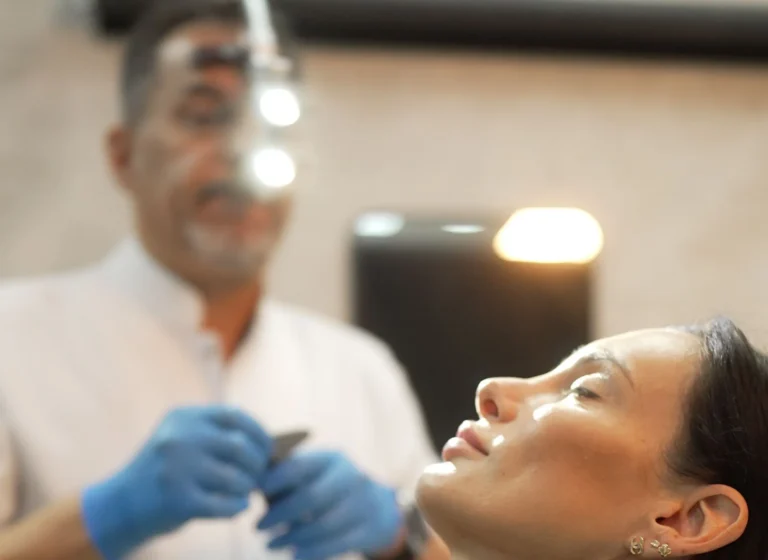
At the clinic of Dr. Babak Hatami in Dubai, every patient who asks about a personalised chemical peel in Dubai first receives a calm, detailed explanation of the procedure, because a treatment you understand is a treatment you can approach with confidence. In this article you will discover how chemical peels work layer by layer, which results are realistic, how depth changes everything, why home peels carry real risks and how Dubai’s strong sun influences both timing and aftercare.

What Is a Chemical Peel and Why Is It Used?
A chemical peel is a medical skin treatment in which a solution, usually an acid or a blend of acids, is applied to the skin for a precise amount of time. Its purpose is to remove the outer layers of damaged skin in a controlled way, so that the body can replace them with new tissue. In medical language it is sometimes called “chemexfoliation”, a word that simply means exfoliation obtained through chemistry rather than through scrubbing or abrasion.
To picture it, think of a wall with old, cracked and stained paint. You could paint over it, but the cracks would still show underneath. A peel works more like gently removing the damaged paint so that a smooth, even surface can be restored. The difference is that your skin does the “repainting” itself, through its own natural healing ability, and this simple image already captures much of how chemical peels work.
Chemical peels are mostly used on the face, but they can also treat the neck, the chest and the back of the hands, areas that often show sun damage early. The most common reasons patients ask for this treatment include:
- dull, tired-looking skin and rough texture
- uneven skin tone and dark spots caused by the sun
- fine lines, especially around the eyes and mouth
- mild acne and the marks it leaves behind
- enlarged pores and oily skin
Understanding how chemical peels work also means understanding what they are not. A peel is not a cosmetic facial and it is not a simple beauty product. It is a medical procedure that creates a precise, intentional reaction in the skin. For this reason, the choice of acid, its concentration and the time it stays on the skin must always be decided by an experienced doctor after examining your skin in person.
There is also an important difference between a peel and other resurfacing methods. Mechanical treatments remove skin by physical friction, while lasers use light energy. A chemical peel uses chemistry: the solution interacts with the proteins and bonds of the skin cells, loosening them so they detach. This is why the same treatment can be very gentle or very intense, depending on the formula chosen, and why no two patients experience how chemical peels work in exactly the same way. Once you see the peel as a tool that can be adjusted, it becomes easier to understand how chemical peels work for such different skin concerns, from a simple glow to the correction of deeper sun damage.
How Chemical Peels Work Beneath the Surface of Your Skin
To truly understand how chemical peels work, it helps to know how your skin is built. The skin has two main layers. The epidermis is the outer, protective layer, constantly renewing itself as new cells rise to the surface and old cells are shed. Beneath it lies the dermis, a deeper layer rich in collagen and elastic fibres, which gives the skin its firmness and structure.
With age, sun exposure and environmental stress, this natural renewal slows down. Dead cells accumulate on the surface, pigment gathers unevenly and collagen production decreases. The result is skin that looks duller, rougher and less uniform. This is exactly where the peel intervenes, and it is the key to understanding how chemical peels work on tired skin.
When the solution is applied, it begins to dissolve the bonds between skin cells in the outer layers. Depending on its strength, it may act only on the most superficial cells of the epidermis or reach the upper part of the dermis. The skin perceives this as a controlled injury and responds by activating its repair process. In the days that follow, the treated layers dry, flake and peel away, revealing new skin that has formed underneath.
The second effect is less visible but just as important. The healing response sends a signal to the dermis to produce new collagen and elastic fibres. Understanding this step explains how chemical peels work long after the treatment day. Over the following weeks, many patients notice not only a brighter surface but also a gradual improvement in firmness and texture. It is a bit like pruning a plant: removing the tired leaves encourages fresh, healthy growth.
In simple terms, this is how chemical peels work in three stages:
- Application: the acid penetrates the skin to a planned depth.
- Reaction: the treated cells loosen and the skin starts its repair process.
- Renewal: the old layers peel away and new skin, supported by fresh collagen, takes their place.
What makes the treatment safe is control. The depth of the reaction depends on the type of acid, its concentration, the number of layers applied, the preparation of the skin and the time the solution is left before being neutralised or removed. Each of these variables must be calibrated to your specific skin, which is why understanding how chemical peels work is inseparable from understanding why medical supervision matters at every step.
How Does Peel Depth Change the Treatment and the Result?
Not all peels are the same, and depth is the single most important factor. Doctors generally divide peels into three levels: superficial, medium and deep. Each one reaches a different layer of the skin, treats different concerns and requires a different recovery. If you want to see how chemical peels work in everyday treatments, depth is the place to start, because knowing these differences is essential to understanding how chemical peels work in real clinical practice.
Superficial peels act only on the outermost part of the epidermis. They usually contain mild acids such as glycolic acid, lactic acid, mandelic acid or salicylic acid. Glycolic and lactic acid belong to the family of alpha hydroxy acids, while salicylic acid is a beta hydroxy acid, particularly useful for oily and acne-prone skin because it can work inside the pores. These peels refresh dull skin, soften rough texture and help with mild pigmentation. Recovery is short, often limited to slight redness and light flaking, and they are usually repeated in a series of sessions. This is how chemical peels work at their gentlest: small, repeated steps that add up over time.
Medium peels go deeper, through the epidermis and into the upper dermis. The most common agent is trichloroacetic acid, used at carefully chosen concentrations, sometimes combined with other solutions. Medium peels address more pronounced sun damage, age spots, moderate fine lines and some acne marks. The skin becomes visibly darker and tighter for a few days before peeling, and the recovery period is longer. Here you can clearly see how chemical peels work at a deeper level, since the renewal involves more of the skin’s thickness.
Deep peels reach the lower layers of the dermis and are traditionally performed with phenol-based formulas. They can produce significant improvement in deep wrinkles and severe sun damage, but they are demanding treatments. They often require sedation or anaesthesia and close medical monitoring, the recovery can last weeks and redness may persist for months. Because of their intensity, they are suitable only for carefully selected patients.
A useful way to imagine the three levels is to think of sanding a piece of wood. A light pass refreshes the surface, a medium pass removes visible marks, and a deep pass reshapes the wood itself. Each step is effective, but each also asks more of the material.
This is also why there is no “best” peel in absolute terms. The right depth is the one that matches your concern, your skin type and the recovery you can realistically manage. A patient with dull skin and a few sun spots may benefit from a series of superficial peels, while a patient with more marked damage might need a medium peel. Understanding how chemical peels work at different depths helps you see why the doctor’s evaluation, not the strength of the acid, determines a good result.
What Happens During a Chemical Peel Session?
Knowing what to expect on the day of treatment makes everything feel more manageable. The session itself is often shorter than patients imagine, but it is preceded by an important phase of evaluation and preparation.
It all starts with a consultation, and it is often the moment when patients first hear, in simple words, how chemical peels work on their own skin. The doctor examines your skin, asks about your medical history and discusses your goals. Some details are essential: whether you have had cold sores in the past, whether you use products such as retinoids, whether you have recently taken certain acne medications, whether you are pregnant or breastfeeding and how your skin usually reacts to the sun or to small injuries. All of this influences the choice of peel and helps reduce the risk of complications.
In many cases, the skin is prepared in the weeks before the treatment with a personalised skincare routine and strict sun protection. This preparation helps the acid penetrate evenly and can lower the risk of unwanted pigmentation, especially in darker skin tones.
On the day of the session, the procedure usually follows these steps:
- the skin is thoroughly cleansed and degreased so the solution can act evenly
- the eyes, lips and sensitive areas are protected
- the solution is applied with a brush, gauze or cotton pad, area by area
- the doctor observes the skin’s reaction, which guides how long the solution stays on
- the peel is neutralised or removed, and a soothing product is applied
During application, most people feel warmth, tingling or stinging that lasts a few minutes. With superficial peels, the sensation is usually mild and fades quickly. Medium peels can feel more intense, and a cooling fan or cold compresses help keep the patient comfortable. Deep peels are performed with appropriate anaesthesia and monitoring.
One aspect patients appreciate is that the doctor watches the skin continuously. Changes in colour, sometimes a light white “frosting” with stronger acids, tell the expert how deeply the solution is working. This visual reading of the skin is part of how chemical peels work safely: the treatment is not a fixed recipe but a process adapted in real time.
After the session, you leave with clear written instructions on cleansing, moisturising and sun protection. What you do in the following days strongly influences the final result.
What Results Can You Expect, and What Can a Peel Not Do?
The focus of any good consultation is not only how chemical peels work, but also which results are realistic for your skin. Setting the right expectations from the start is the best way to be satisfied with the outcome, and it is the natural next step after learning how chemical peels work.
When the right peel is chosen, patients typically notice these improvements:
- smoother, softer skin texture
- a more even skin tone, with fewer sun spots and dark patches
- a brighter, more luminous complexion
- softer fine lines
- fewer breakouts and less visible marks in acne-prone skin
With superficial peels, the improvement is gradual and builds session after session. With medium peels, the change is more evident after a single treatment, once the skin has fully healed. In both cases, the collagen stimulation continues for weeks, so the skin often keeps improving after the visible peeling has ended.
It is just as important to be honest about the limits. A chemical peel works on the quality of the skin, not on the structures beneath it. It cannot lift sagging skin, correct a heavy jawline, remove deep scars or significantly tighten loose tissue. Deep folds caused by volume loss or by the descent of facial tissues require different approaches, and an experienced doctor will tell you so openly rather than promise what a peel cannot deliver.
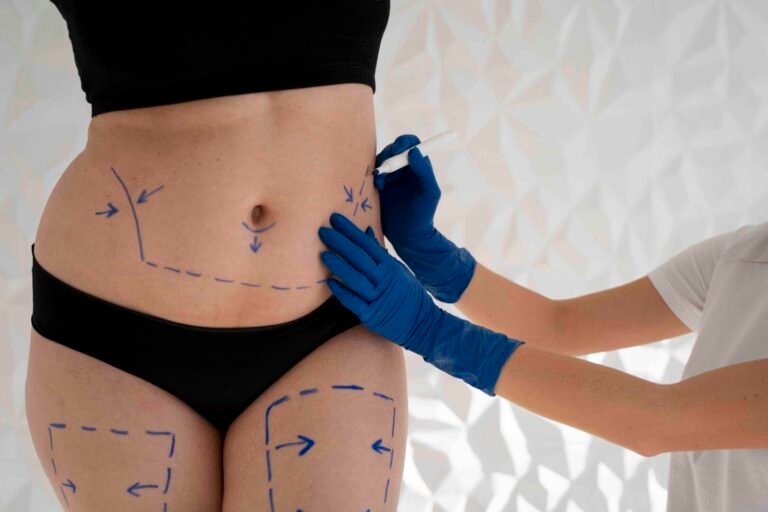
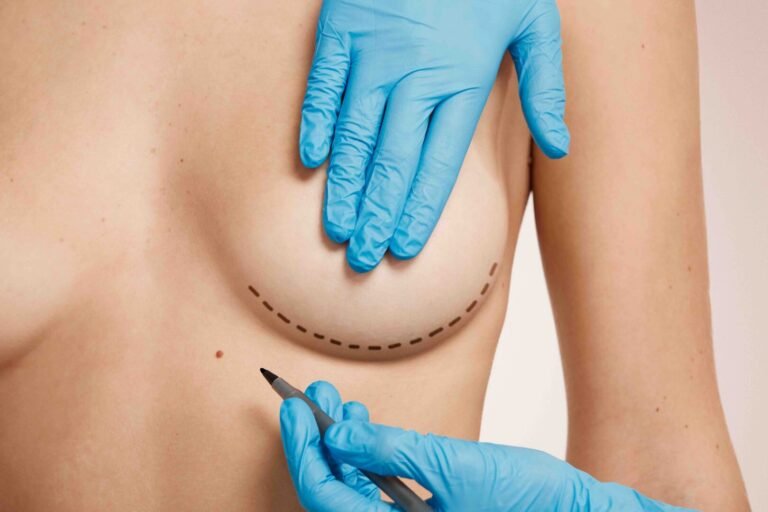
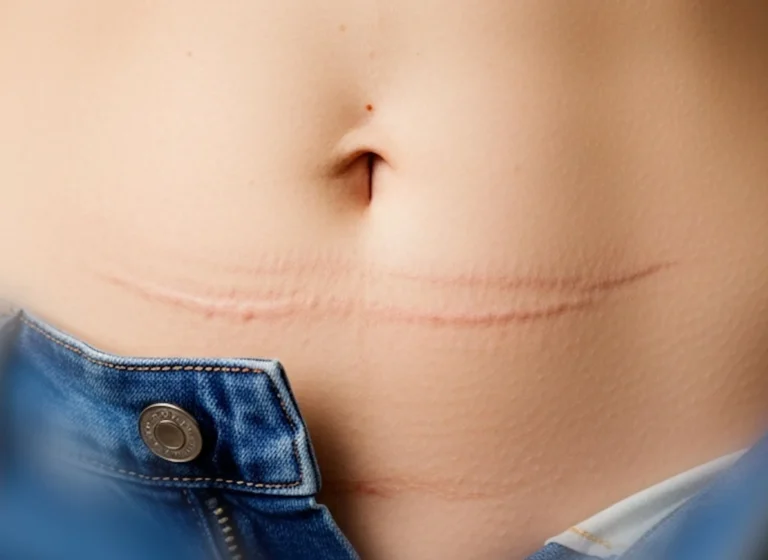
The same principle applies to the rest of the body. Many women, for instance, hope that skin treatments will improve the changes left by pregnancy on the abdomen and breasts. Surface treatments can refine texture and tone, but stretched skin, separated abdominal muscles and changes in breast shape involve deeper tissues. In these situations, a combined surgical plan such as a Mommy makeover may be considered after a careful medical evaluation, bringing together procedures like abdominal contouring and breast surgery in a single, personalised treatment plan. Recognising which concern belongs to the skin surface and which belongs to deeper structures is part of an ethical, honest approach to aesthetic medicine, and it reflects exactly how chemical peels work: on the surface, not beneath it.
Understanding how chemical peels work, and where their action stops, protects you from disappointment. A peel is a powerful tool for skin quality, and when it is used for the right purpose, the result looks natural, fresh and genuinely yours.
Can a Chemical Peel Be Done at Home? Why DIY Is a Risk
Online shops and social media are full of “professional strength” peels sold for home use, as well as homemade recipes based on lemon juice, vinegar or baking soda. It is understandable that people are tempted. However, once you know how chemical peels work, it becomes clear why home peels can be dangerous.
The effect of an acid depends on its concentration, its pH, the time it stays on the skin, the condition of your skin barrier and the way it is neutralised. In a medical setting, each of these elements is measured and controlled. At home, none of them is. A product bought online may not contain what the label claims, the concentration may be too high, and there is no expert eye watching how the skin reacts minute by minute.
The possible consequences are not minor:
- chemical burns that blister and take weeks to heal
- dark patches of pigmentation that can be harder to treat than the original problem
- light, discoloured patches where pigment has been lost
- infections and, in the worst cases, permanent scarring
Homemade remedies are not a safer alternative. Lemon juice, for example, is highly acidic and unpredictable, and combined with sun exposure it can trigger irritation and dark marks. Scrubs with harsh grains or baking soda damage the skin barrier instead of renewing it in a controlled way. None of these remedies reflects how chemical peels work in a medical setting, where every variable is measured.
There is another mistake patients often make after a professional peel: picking or pulling the flaking skin. It may seem harmless, but removing skin before it is ready to detach exposes fragile new tissue and can lead to marks and scars. The same applies to adding exfoliating products, retinoids or alcohol-based toners during recovery without medical approval.
The safest choice is always a peel selected, applied and followed up by an experienced doctor. Supervision allows the treatment to be adapted to your skin, side effects to be recognised early and aftercare to be personalised. In practice, understanding how chemical peels work is the strongest argument against do-it-yourself solutions: the same chemistry that renews the skin under control can damage it when control is missing.
Can Every Skin Tone Have a Peel? Dubai’s Sun, Skin Types and Timing
Dubai is home to people from all over the world, and this means a remarkable variety of skin types, from very fair skin that burns easily to deeply pigmented skin. This diversity matters, because the way the skin reacts to a peel depends a great deal on its natural pigmentation.
Doctors often classify skin using a scale that describes how easily it burns or tans. Lighter skin types generally tolerate a wider range of peels. Darker skin types can also benefit from peeling, but they have a higher tendency to develop post-inflammatory hyperpigmentation, meaning dark marks that appear after the skin has been irritated. For this reason, how chemical peels work on darker skin must be evaluated case by case. Deeper peels require particular caution, and gentler acids, lower concentrations and careful preparation are often preferred.
This is one of the clearest examples of how chemical peels work differently from person to person. The same solution that gives an excellent result on one skin type may create unwanted pigmentation on another. A personal assessment is therefore not a formality but the foundation of a good outcome.
The local climate adds another important factor. Dubai’s sun is strong for most of the year, and freshly peeled skin is much more sensitive to ultraviolet light. Exposure during recovery can cause redness, irritation and new dark spots, cancelling out part of the benefit. Some practical considerations include:
- planning medium peels, when possible, during the cooler months, when spending time indoors is easier
- using a broad-spectrum sunscreen every day before and after treatment, reapplying it during the day
- wearing a wide-brimmed hat and sunglasses and avoiding direct sun in the hottest hours
- postponing beach days, pool time and desert activities until the skin has healed
Heat and humidity can also make the skin more reactive, so air-conditioned environments and gentle hydration help recovery. Superficial peels can often be performed throughout the year with appropriate protection, while deeper treatments benefit more from careful scheduling.
Understanding how chemical peels work in a sunny climate helps you see why aftercare is just as important as the treatment itself. Sun protection is not an optional extra: it is what allows the new skin to stay even, clear and healthy after the peel.
How Long Does Recovery Take and How Long Do Results Last?
Recovery depends mainly on the depth of the peel, and knowing the typical timeline helps you plan your work and social life with peace of mind.
After a superficial peel, the skin may look slightly pink and feel tight for a day or two. Light flaking usually appears after a few days and resolves within about a week. Most people return to their routine almost immediately, simply following their skincare and sun protection instructions.
After a medium peel, the experience is more noticeable. In the first days, the skin becomes red, tight and gradually darker, almost like a tan. Peeling usually starts around the third day and can continue for about a week or slightly longer. Many patients prefer to stay at home during this phase. Once the old layer has gone, the new skin appears pink and delicate and slowly settles over the following weeks. This visible sequence is how chemical peels work in everyday life: first the reaction, then the renewal.
After a deep peel, recovery is considerably longer. Swelling and crusting are expected in the first weeks, and redness may last for months. This is one reason deep peels are reserved for selected cases.
During recovery, a few simple habits make a real difference, and they follow directly from how chemical peels work on fragile new skin:
- cleanse gently with lukewarm water and a mild cleanser
- moisturise regularly with the products recommended by your doctor
- let the skin peel on its own, without pulling or scrubbing
- avoid saunas, intense exercise and heavy makeup in the first days
- report any unusual pain, swelling, blisters or signs of infection promptly
As for how long results last, the answer depends on the depth of the peel and on your lifestyle. Superficial peels provide improvements that are usually maintained with periodic sessions. Medium peels give longer-lasting changes, and deep peels produce the most durable effect. In every case, the skin continues to age naturally, and daily sun protection is the most effective way to protect the result over time.
This is perhaps the most practical lesson in understanding how chemical peels work: the peel starts the renewal, but your daily care decides how long the benefit lasts.
What Determines the Cost of a Chemical Peel?
It is natural to wonder about the cost of a chemical peel before deciding. The honest answer is that it depends on many factors and can vary from patient to patient, based on each individual situation. For this reason, it is not possible to give a single figure that applies to everyone.
The main elements that influence the overall investment include:
- the type and depth of the peel chosen, since superficial, medium and deep treatments involve different products, times and levels of medical involvement
- the size and number of areas treated, such as the face alone or the face together with the neck, chest or hands
- the number of sessions needed, because superficial peels are often planned as a series while medium peels may require a single treatment
- the preparation of the skin before the procedure and any products recommended for aftercare
- the follow-up visits needed to monitor healing and the result
Another factor is the condition of your skin. Mild dullness and a few sun spots may require a simple plan, while more marked pigmentation, acne marks or sun damage may require a more structured approach, sometimes combined with other treatments.
Rather than focusing only on the figure, it is wise to consider what you are investing in. A peel chosen and performed incorrectly can lead to complications that take time and further treatment to correct. A peel selected after a careful evaluation, with proper preparation and follow-up, is a more responsible investment in your skin, because it respects how chemical peels work rather than forcing the result.
During the consultation, after examining your skin and understanding your goals, the doctor can explain the most suitable plan and give you a clear, personalised estimate.
Knowing how chemical peels work also helps you understand the cost itself: you are not paying simply for an acid, but for a medical evaluation, a tailored formula, the expert hand that applies it and the guidance that accompanies your skin until it has fully healed.
Understanding How Chemical Peels Work: Final Thoughts
A chemical peel is far more than a beauty treatment. It is a controlled medical process that removes damaged layers, activates the skin’s natural repair and stimulates new collagen, revealing a smoother, brighter and more even complexion. In this article we have seen how chemical peels work beneath the surface, how depth changes the treatment, what happens during a session, which results are realistic and where a peel’s action ends.
We have also seen why do-it-yourself peels and homemade remedies carry real risks, why skin tone requires a personal assessment and why, in a climate like Dubai’s, sun protection is essential to protect the result. Above all, understanding how chemical peels work shows that the right peel is never chosen by strength alone, but by matching the treatment to your skin, your goals and your lifestyle.
If you would like to understand which peel could suit your skin and what result you can realistically expect, you can discuss it in a calm, detailed consultation with Dr. Babak Hatami in Dubai, where every question is answered clearly and every treatment plan is built around you.