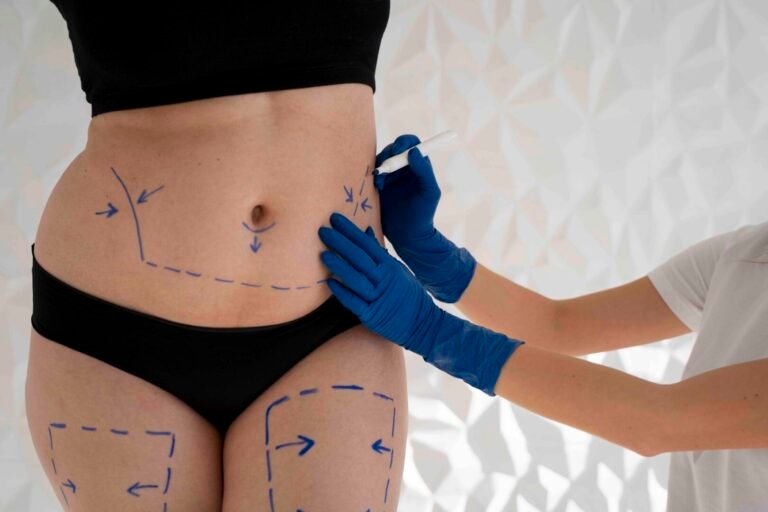
When undergoing a procedure such as a tummy tuck, one of the most common questions is what to eat after a tummy tuck. This is not a secondary detail, but a fundamental aspect for recovery, healing, and final results.
At the clinic of Dr Babak Hatami in Dubai, tummy tuck surgery is considered not just a procedure, but a complete journey that includes post-operative care. Nutrition plays a key role in this process, as it supports the body during healing and helps maintain results over time. Many patients underestimate this factor, but what is eaten in the days and weeks after surgery can make a significant difference in recovery quality.
What to eat after a tummy tuck in the first days
In the first days after surgery, the body is in a delicate phase. It is reacting to the procedure and needs energy, but without being overloaded.
During this stage, it is recommended to start with a light and easily digestible diet, focusing on simple foods that do not cause bloating or digestive discomfort. Options such as light broths, blended soups, and soft, mildly seasoned foods can help the body gradually resume digestion.
As the days pass, more substantial foods can be reintroduced, always maintaining attention to quality and simplicity in meals. Avoiding heavy or overly processed foods is essential, as they may increase abdominal discomfort and swelling.
Why is nutrition so important after a tummy tuck?
Nutrition has a direct impact on the healing process. After surgery, the body needs to repair tissues and regenerate cells, making proper nutrient intake essential.
Proteins play a central role, as they support tissue repair and recovery. In addition, vitamins and minerals found in fruits and vegetables help reduce inflammation and promote healing. A balanced diet contributes to faster recovery times and improved scar quality, while also supporting the immune system.
In Dr Hatami’s method, nutrition is integrated into the overall treatment plan, as the final result depends not only on the surgery but also on how the body responds afterward.
How should the diet be structured in the following weeks?
After the initial phase, the diet should become more complete and balanced. The body requires energy to recover, so restrictive diets should be avoided during this period.
A varied diet including lean proteins, moderate carbohydrates, healthy fats, and fresh produce is essential. The goal is not immediate weight loss, but rather to support healing and stabilize the body.
Regular meal patterns are also important. Eating smaller, more frequent meals can help improve digestion and prevent discomfort. This structured approach contributes to a more consistent and effective recovery process.
Can bloating and discomfort be reduced through nutrition?
Bloating is a common condition after a tummy tuck, but it can be influenced by dietary choices. Certain foods may increase gas production or slow digestion, making it important to limit them in the early weeks.
Highly processed foods, carbonated drinks, and overly spicy dishes should be avoided, as they may worsen discomfort. Fiber intake should also be introduced gradually to prevent digestive issues.
A progressive and balanced diet helps maintain regular digestion without creating additional discomfort, contributing to a more comfortable recovery experience and overall well-being.
How important is hydration after surgery?
Hydration is often underestimated, yet it is essential for recovery. Drinking enough water helps the body eliminate toxins and maintain tissue elasticity.
Proper hydration contributes to reducing swelling, improving circulation, and supporting healing. It works in synergy with nutrition, enhancing its overall effectiveness.
Drinking regularly throughout the day, along with light herbal infusions when appropriate, helps maintain a balanced internal environment and supports the body’s natural recovery mechanisms.
What should absolutely be avoided after a tummy tuck?
In addition to knowing what to eat, it is equally important to understand what to avoid. Certain dietary habits can interfere with recovery and delay healing.
Processed foods, excessive sugars, saturated fats, and alcohol should be limited, especially in the early weeks. These elements can increase inflammation and negatively impact the healing process.
Underestimating the role of nutrition is a common mistake. An inadequate diet can affect both scar quality and long-term results. For this reason, following a guided and structured nutritional plan is essential for achieving the best outcome.
How is nutrition integrated into Dr Hatami’s approach?
In Dr Babak Hatami’s approach, a tummy tuck is not seen as an isolated procedure. The goal is to achieve a harmonious and lasting result through a comprehensive method.
Nutrition is considered an integral part of the process, and in some cases, patients may also receive guidance from professionals specializing in nutrition. This allows for continuous support even after surgery, improving recovery quality and maintaining results over time.
The focus extends beyond the surgical phase, creating a personalized and structured recovery path that supports the patient at every stage.
What to eat after a tummy tuck: a key step for the final result
Understanding what to eat after a tummy tuck means taking care of the body in the right way. Nutrition is not a minor detail, but a crucial element of the overall journey.
Following a balanced diet adapted to the different stages of recovery helps patients face the post-operative period with greater confidence and achieve more stable results.At the clinic of Dr Babak Hatami in Dubai, this aspect is fully integrated into a broader approach focused on patient well-being. It is a journey that does not end with surgery, but continues over time, supporting each phase of transformation with attention, care, and long-term vision.
📞 +971567663883
💬 +971567663883
✉️ dr.babak.hatami@gmail.com
📍 Olivia Medical Center, Villa-1114 Al Wasl Rd, Umm Suqeim 2, Dubai, United Arab Emirates