Liposuction Recovery Time
Introduction
Undergoing liposuction is an important step toward improving body contours, but understanding the healing process is just as important as the procedure itself. Many patients ask how long recovery takes and what they should realistically expect in the days and weeks following surgery. Liposuction recovery time can vary from person to person, depending on several factors such as the treated areas, the amount of fat removed, and individual healing ability. Knowing what is normal during recovery helps reduce anxiety and prevents unrealistic expectations. In this article, we will explain each stage of healing, clarify common doubts, and outline safe medical guidance to support a smooth and controlled recovery.
What Happens Immediately After Liposuction Surgery?
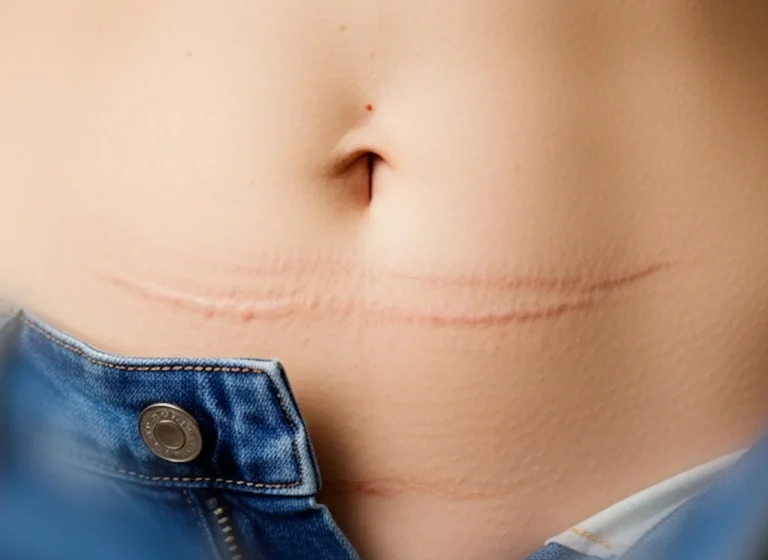
The first phase after surgery begins as soon as the procedure is completed. During this stage, the body starts reacting to the treatment, and swelling is a normal and expected response. In the initial hours, patients may feel tightness, soreness, and mild discomfort in the treated areas. Compression garments are applied to help reduce swelling and support the tissues as they adapt to their new shape. Understanding liposuction recovery time helps patients remain calm during these early changes, which are temporary. Rest is essential in the first 24–48 hours, and patients are advised to avoid any strenuous movements while allowing the body to initiate its natural healing process.
How Long Does Swelling Last After Liposuction?
Swelling is one of the most common concerns following liposuction and can last longer than many patients expect. While the most noticeable swelling typically reduces within the first two to three weeks, residual swelling may persist for several months. This is a normal part of liposuction recovery time and does not indicate a problem. The body needs time to reabsorb fluids and adjust to the changes made during surgery. Wearing compression garments as instructed and maintaining gentle movement can help manage swelling effectively. It’s important to avoid DIY remedies or aggressive massages unless specifically recommended by a medical professional, as improper techniques can interfere with healing.
When Can Normal Activities Be Resumed After Liposuction?
Returning to daily activities should be gradual and guided by medical advice. Light walking is often encouraged shortly after surgery to support circulation, but intense exercise and heavy lifting must be avoided initially. Most patients can resume desk-based work within a few days, depending on how they feel. However, full physical activity usually requires more time. Liposuction recovery time varies based on the extent of the procedure and the areas treated. Pushing the body too quickly can increase swelling or delay healing. Listening to professional guidance ensures that recovery progresses safely and reduces the risk of unnecessary complications.
What Role Do Compression Garments Play in Recovery?
Compression garments are a fundamental part of post-liposuction care and should never be underestimated. These garments help control swelling, support the skin, and assist the body in adapting to its new contours. Wearing them consistently during liposuction recovery time contributes to smoother results and improved comfort. Patients are usually advised to wear compression garments continuously for the first few weeks, followed by reduced use as healing progresses. Removing them too early or wearing them incorrectly may slow recovery or affect outcomes. Always follow professional instructions rather than relying on online advice, as proper garment use is tailored to each patient’s procedure.
How Long Before Final Results Are Visible?
One of the most common misconceptions is expecting immediate final results after liposuction. While improvements are visible early on, the body continues to refine its shape over time. Final outcomes typically become more apparent after several months, once swelling has fully resolved and tissues have stabilized. Liposuction recovery time includes this gradual refinement phase, which requires patience. Skin retraction and contour definition improve progressively, especially when post-operative guidelines are followed correctly. Attempting shortcuts or non-medical treatments to “speed up” results is not recommended and can compromise both safety and appearance. Trusting the natural healing process is essential.
Why Following Medical Advice Is Essential During Recovery
Post-operative instructions are designed to protect patient health and optimize surgical outcomes. During liposuction recovery time, following medical advice helps prevent complications such as prolonged swelling, uneven healing, or delayed results. This includes attending follow-up appointments, avoiding smoking, maintaining hydration, and respecting physical limitations. DIY solutions, unverified supplements, or self-directed treatments should be avoided, as they may interfere with recovery. A structured medical approach ensures that healing progresses safely and efficiently. Patients who follow professional guidance closely often experience a smoother recovery and more satisfying long-term results.
Can Pain and Discomfort Be Managed During Recovery?
Experiencing some discomfort after surgery is completely normal, especially in the first few days. During liposuction recovery time, patients often report sensations such as soreness, tightness, or mild pressure in the treated areas. These symptoms are usually temporary and can be effectively managed through medically prescribed pain relief and proper rest. Applying cold compresses when advised and maintaining correct body positioning can also help reduce discomfort. It is important to avoid self-medicating or using non-recommended remedies, as these may interfere with healing. Clear communication with the doctor allows pain management to be adjusted safely, ensuring comfort while supporting the body’s natural recovery process.
Why Is Hydration and Nutrition Important After Liposuction?
Proper hydration and balanced nutrition play a crucial role in supporting the body after surgery. During liposuction recovery time, tissues need adequate fluids and nutrients to heal efficiently and reduce inflammation. Drinking enough water helps flush out residual anesthetic substances and supports circulation, while a diet rich in proteins, vitamins, and minerals aids tissue repair. Skipping meals or following restrictive diets can slow healing and increase fatigue. Alcohol and excessive salt should be avoided, as they may worsen swelling. Following medically guided nutritional advice helps the body recover in a controlled and healthy way, contributing to smoother healing and more stable results.
Conclusion: Understanding Liposuction Recovery Time
Understanding liposuction recovery time allows patients to approach the post-surgical phase with confidence and realistic expectations. Recovery is a gradual process that involves swelling, tissue adjustment, and careful monitoring. While improvements begin early, final results take time and patience. Respecting the body’s healing rhythm and following professional advice are key to achieving safe and lasting outcomes. If you are considering liposuction or would like personalized guidance on recovery expectations, contacting the clinic is the best way to receive accurate information tailored to your individual situation.
Where to Find Me: Google Maps
Address: Dubai London Hospital – Villa-1114 Al Wasl Rd , Umm Suqeim 2 Dubai, United Arab Emirates
Phone: 971 568 797 397
Email: dr.babak.hatami@gmail.com
Whatsapp: Start Chat