Breast Augmentation Recovery
Introduction
Undergoing breast augmentation is a significant step, and understanding the healing process is essential to approach surgery with confidence and realistic expectations. Every patient heals differently, but knowing what typically happens after the procedure can help reduce uncertainty and support a smoother experience. Breast augmentation recovery involves several stages, from the immediate post-surgical phase to the gradual settling of the final results. Swelling, temporary discomfort, and activity limitations are all part of a normal healing journey. In this article, we will explain the recovery timeline, what sensations are expected, and why following medical guidance is crucial for achieving safe, stable, and satisfying outcomes.
What Happens Immediately After Breast Augmentation Surgery?
The first hours after surgery are dedicated to rest and monitoring as the body begins healing. During this initial phase, patients may experience tightness, swelling, and mild to moderate discomfort in the chest area. These sensations are normal and expected as tissues adjust to the implants. Compression garments or supportive bras are often recommended to stabilize the area and reduce swelling. Understanding breast augmentation recovery helps patients remain calm during this phase, knowing these effects are temporary. Resting properly and avoiding unnecessary arm or chest movements are essential during the first 24–48 hours to allow the body to respond safely to the surgical changes.
How Long Does Swelling Last After Breast Augmentation?
Swelling is a natural response following surgery and can last longer than many patients anticipate. In most cases, noticeable swelling decreases within the first few weeks, but residual swelling may persist for several months. This gradual improvement is a normal part of breast augmentation recovery and varies depending on individual healing capacity and surgical technique. As swelling subsides, the breasts begin to soften and settle into a more natural position. Wearing the recommended support garments and following medical instructions can help manage swelling effectively. It’s important to avoid self-treatment methods, as improper techniques may interfere with healing and delay recovery.
When Can Daily Activities Be Resumed After Surgery?
Returning to normal activities should always be gradual and guided by professional advice. Light activities, such as short walks, are usually encouraged early to support circulation. However, lifting heavy objects, intense exercise, and upper-body strain must be avoided initially. Most patients can return to desk-based work within one to two weeks, depending on comfort levels. Breast augmentation recovery timelines differ from person to person, so pushing too quickly can increase discomfort or prolong swelling. Respecting physical limitations during healing is essential to protect the surgical outcome and ensure long-term stability of the results.
What Role Do Support Garments Play in Recovery?
Support garments are a fundamental component of post-operative care and should be worn exactly as instructed. These garments help reduce swelling, support healing tissues, and guide implants into the correct position. During breast augmentation recovery, consistent use of the recommended bra contributes to comfort and promotes optimal shaping. Removing support too early or wearing unsuitable garments can affect results and slow healing. Each patient receives specific guidance based on their procedure, and following these instructions is far more effective than relying on general online advice. Proper support allows the body to heal in a controlled and predictable way.
How Long Does It Take to See Final Results?
While changes are visible soon after surgery, final results take time to fully develop. In the early weeks, breasts may appear high, firm, or uneven due to swelling and muscle tension. As healing progresses, tissues relax and implants settle into a more natural position. Breast augmentation recovery includes this adjustment phase, which can take several months. Patience is essential, as rushing expectations can lead to unnecessary concern. Avoiding non-medical interventions and trusting the natural healing process ensures that results evolve safely and consistently, leading to a balanced and harmonious final appearance.
Why Following Medical Advice Is Essential During Recovery
Strictly following medical instructions is one of the most important factors in achieving a smooth recovery. During breast augmentation recovery, guidance on movement, rest, hygiene, and follow-up visits helps prevent complications and supports stable healing. DIY solutions, unverified supplements, or ignoring restrictions may compromise results or delay recovery. Each instruction is tailored to protect patient safety and surgical outcomes. Patients who respect professional advice typically experience less discomfort, more predictable healing, and better long-term results. Recovery is a shared process between patient and doctor, built on trust, communication, and careful monitoring.
Can Pain and Tightness Be Managed During Recovery?
Experiencing pain or tightness after surgery is common, especially in the first few days. During breast augmentation recovery, patients often describe a feeling of pressure or muscle stiffness as the chest adapts to the implants. These sensations are expected and typically decrease gradually. Medically prescribed pain management helps control discomfort while allowing the body to heal naturally. Resting properly, maintaining correct posture, and avoiding sudden arm movements can also improve comfort. It is important not to self-medicate or follow non-medical advice found online, as improper pain management may interfere with healing and prolong recovery. Professional guidance ensures both comfort and safety.
Why Is Sleep Position Important After Breast Augmentation?
Sleep plays a critical role in healing, but sleeping in the wrong position can increase swelling and discomfort. During breast augmentation recovery, patients are usually advised to sleep on their back with the upper body slightly elevated. This position helps reduce swelling and avoids pressure on the chest. Sleeping on the side or stomach too early may strain healing tissues or affect implant positioning. Using supportive pillows can improve comfort and help maintain the correct posture during sleep. Following medical recommendations for sleep positioning supports a smoother recovery and helps protect the final surgical outcome during this delicate healing phase.
How Does Scar Healing Progress After Breast Augmentation?
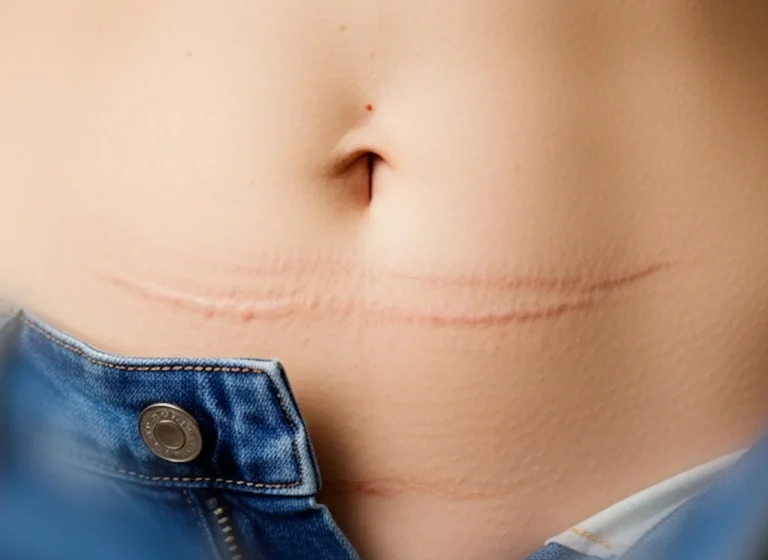
Scar healing is a gradual process and varies from patient to patient. During breast augmentation recovery, incisions initially appear red or slightly raised, which is a normal part of tissue healing. Over time, scars typically soften, flatten, and fade in color as the skin regenerates. Proper wound care, as advised by the doctor, is essential to support optimal healing. Avoiding sun exposure on scars and refraining from applying non-recommended products helps prevent irritation or pigmentation changes. It’s important to remember that scar evolution takes several months, and patience is key. Following medical guidance ensures scars heal in a controlled and aesthetically favorable way.
Can Exercise Affect the Healing Process After Surgery?
Physical activity must be reintroduced carefully after surgery to avoid unnecessary strain. During breast augmentation recovery, light walking is generally encouraged early to promote circulation, but upper-body workouts and intense exercise should be postponed. Premature or excessive movement may increase swelling or disrupt healing tissues. Gradually resuming exercise under medical supervision helps protect the surgical outcome while restoring strength and flexibility. Each patient receives personalized timelines based on their procedure and recovery progress. Ignoring restrictions or following generic fitness advice can delay healing, making professional guidance essential for a safe and balanced return to physical activity.
Conclusion: Understanding Breast Augmentation Recovery
Understanding breast augmentation recovery allows patients to approach surgery with clarity, confidence, and realistic expectations. Healing is a structured process that includes temporary swelling, activity limitations, and gradual tissue adjustment. Every stage plays a role in achieving stable and long-lasting results. Respecting medical instructions, allowing adequate time for healing, and avoiding unsafe self-directed solutions are key to a smooth recovery. If you would like personalized information or have questions about your individual recovery journey, contacting the clinic is the best way to receive professional guidance tailored to your needs.
Where to Find Me: Google Maps
Address: Dubai London Hospital – Villa-1114 Al Wasl Rd , Umm Suqeim 2 Dubai, United Arab Emirates
Phone: 971 568 797 397
Email: dr.babak.hatami@gmail.com
Whatsapp: Start Chat